Not long ago, receiving a software update on your car felt remarkable — almost futuristic. Today, for a growing segment of vehicle buyers, the absence of that capability is increasingly seen as a dealbreaker. Over-the-air (OTA) update technology has quietly moved from a differentiating premium feature to a baseline expectation, reshaping how consumers evaluate and choose vehicles.
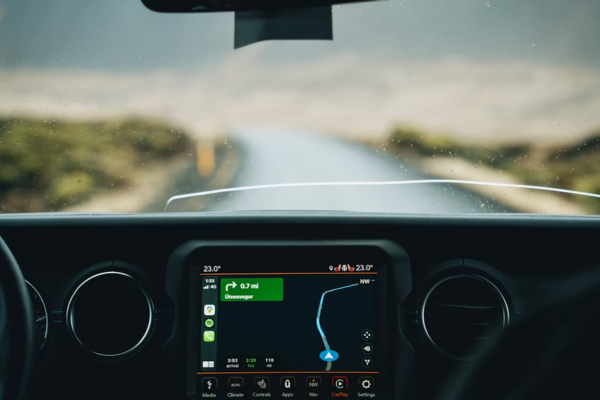
This transformation did not happen overnight. It followed years of consumers growing accustomed to seamless digital ecosystems in their smartphones, laptops, and home devices. The logic became simple: if a phone can improve itself remotely, why should a car be any different?
What Over-the-Air Updates Actually Deliver
At their core, OTA updates allow automakers to push software changes directly to a vehicle’s onboard systems without requiring a dealership visit. These updates can range from minor interface improvements and navigation database refreshes to more substantial modifications involving powertrain calibration, battery management in electric vehicles, and advanced driver-assistance systems (ADAS).
For electric vehicle owners in particular, OTA capability carries added weight. Battery efficiency tuning, charging optimization, and range improvements can all be delivered remotely — meaning a vehicle purchased today can genuinely perform better tomorrow without any hardware change. This dynamic fundamentally alters the traditional concept of automotive depreciation and long-term ownership value.
Consumer Behavior Is Driving Industry Adoption
The consumer appetite for OTA updates is not simply a preference — it is increasingly influencing purchasing decisions. Buyers who have experienced the technology firsthand are unlikely to accept its absence in a future vehicle. This behavioral shift has placed pressure on legacy automakers to accelerate their software infrastructure investments, often requiring substantial reorganization of engineering and development processes.
Manufacturers that were once purely hardware-focused are now investing heavily in proprietary operating systems, centralized computing architectures, and dedicated software teams. The goal is not only to match the capabilities of early EV innovators but to offer OTA functionality that is reliable, transparent, and genuinely useful to the end user.
Trust and Transparency Remain Critical
Despite growing acceptance, OTA updates are not without complexity. Consumer trust plays a central role in how this technology is perceived. Updates that alter driving behavior, modify vehicle settings without clear communication, or introduce new bugs can quickly erode confidence in the system. Automakers must strike a careful balance between innovation speed and quality assurance.
Regulatory frameworks are also evolving. Transportation authorities in several markets are developing clearer standards around what types of changes can be deployed remotely and what requires formal certification. This regulatory dimension adds a layer of responsibility to how automakers manage their OTA pipelines.
A New Definition of Vehicle Ownership
Perhaps the most significant implication of OTA updates is what they mean for the ownership experience itself. The traditional relationship between a buyer and a vehicle was largely static — what you purchased on day one was essentially what you kept. OTA connectivity introduces a more dynamic model, where ownership becomes an evolving experience rather than a fixed transaction.
This opens new commercial possibilities as well, including subscription-based feature unlocks, performance tier upgrades, and enhanced service packages delivered post-sale. While these models are still maturing, they point toward a future where the vehicle’s software layer holds as much commercial value as its mechanical components.
The Road Ahead
As vehicle connectivity becomes more deeply embedded in automotive design philosophy, OTA update capability will likely cease to be a competitive advantage for any single brand and instead become a universal industry standard. Automakers that fail to build robust, secure, and user-friendly OTA systems risk being left behind — not by competitors alone, but by the expectations of an increasingly tech-savvy buying public.
For consumers, the message is equally clear: the cars of tomorrow will not just be purchased — they will be continuously improved, and buyers are already planning accordingly.