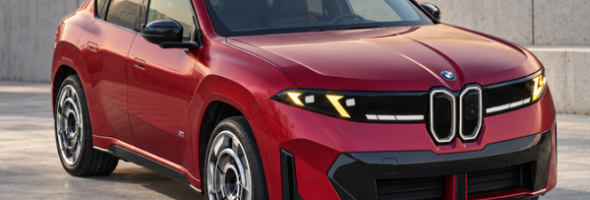
Across Europe and Asia, a quiet but significant shift is reshaping the electric vehicle landscape. While much of the global automotive conversation has centered on large SUVs, trucks, and premium electric models, a growing number of consumers in densely populated urban markets are gravitating toward something fundamentally different: smaller, more affordable, and more practical electric vehicles.
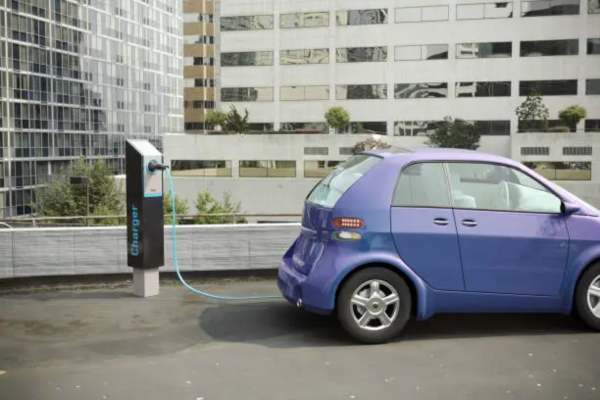
This trend is not accidental. It reflects a convergence of urban infrastructure realities, economic pressures, and evolving consumer priorities that larger vehicles simply cannot address.
Urban Realities Driving Compact EV Demand
European and Asian cities were largely built long before the automobile became dominant. Narrow streets, limited parking, and dense residential neighborhoods create an environment where a compact footprint is not just convenient — it is often essential. In cities like Paris, Amsterdam, Tokyo, and Taipei, the practical advantages of a smaller vehicle are immediately apparent to everyday drivers.
For many urban consumers, a large electric SUV offers excess capability they will never use, while presenting daily challenges in maneuvering, parking, and charging infrastructure access. A compact EV, by contrast, fits naturally into the rhythms of city life.
Affordability as a Key Driver
Beyond practicality, price remains one of the most decisive factors in EV adoption. Smaller electric vehicles typically carry lower price tags, making them accessible to a broader segment of the population. This is particularly relevant in markets where government subsidies for electric vehicles have been reduced or restructured, placing greater emphasis on the vehicle’s intrinsic value proposition.
Manufacturers that have prioritized competitive pricing in the compact segment are finding strong consumer reception, especially among first-time EV buyers who are transitioning away from entry-level combustion vehicles and are not yet ready to commit to a premium electric model.
Manufacturer Response and Model Expansion
Automakers across Europe and Asia have taken note of this demand signal. Several manufacturers have announced or accelerated the development of compact electric models specifically designed for urban use cases. These vehicles tend to emphasize efficiency, ease of charging, and smart connectivity features rather than long-range performance or high-output powertrains.
European brands have been expanding their urban EV lineups, while Asian manufacturers — many of whom have deep experience in the compact and kei car segments — are applying that expertise directly to electric platforms. The result is an increasingly diverse selection of small EVs entering markets where consumer appetite is clearly present.
Infrastructure and Policy Alignment
Government policy in both regions has also played a supporting role. Urban emission zones, combustion engine restrictions, and targeted incentive programs have collectively encouraged consumers to consider electric options. Compact EVs, with their lower purchase prices and lower operating costs, tend to be the primary beneficiaries of these policy environments.
Additionally, the expansion of public charging infrastructure in urban cores — including smaller, slower chargers suited for overnight residential charging — has addressed one of the key barriers that previously discouraged city dwellers from making the switch to electric.
A Strategic Opportunity for the Industry
The growing demand for smaller EVs in European and Asian markets represents more than a consumer preference. It signals a broader strategic opportunity for automakers willing to invest seriously in the compact electric segment. Brands that establish strong positions in this space now are likely to benefit from long-term loyalty as urban EV adoption continues to accelerate.
As the global automotive industry continues its electric transition, the conversation is increasingly clear: bigger is not always better. In the world’s most congested and cost-conscious urban markets, the future may well belong to the small.